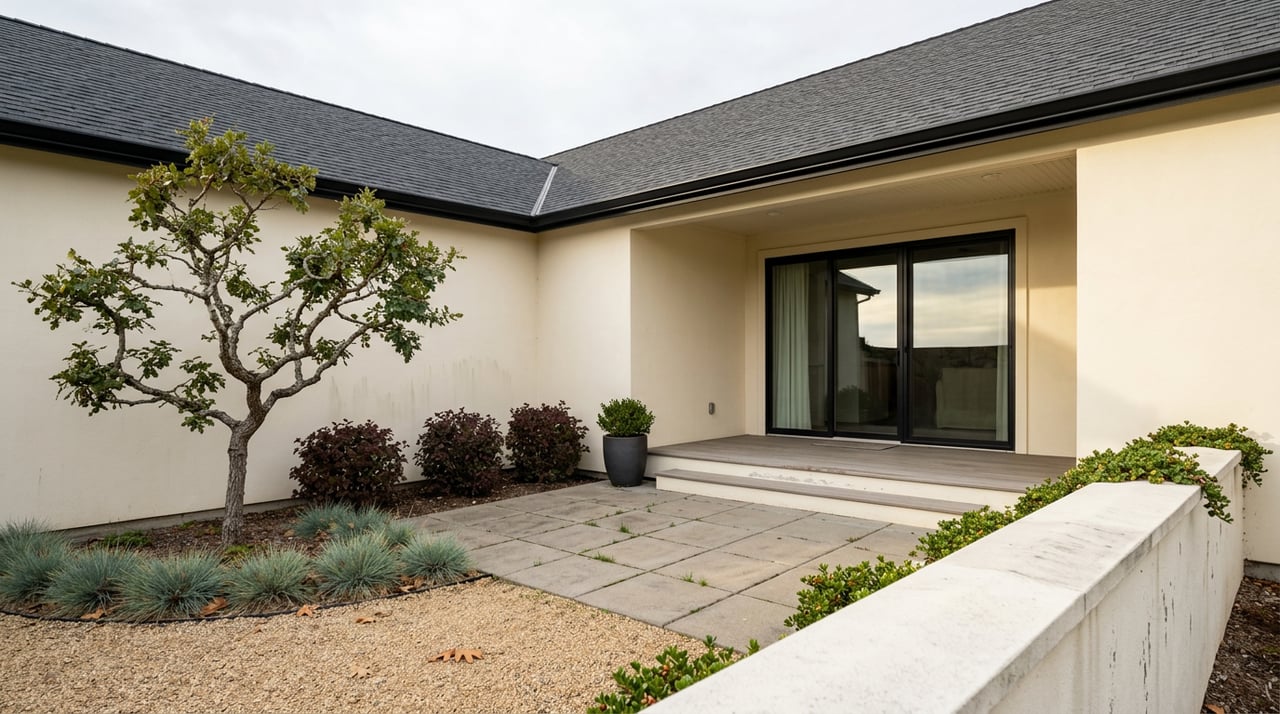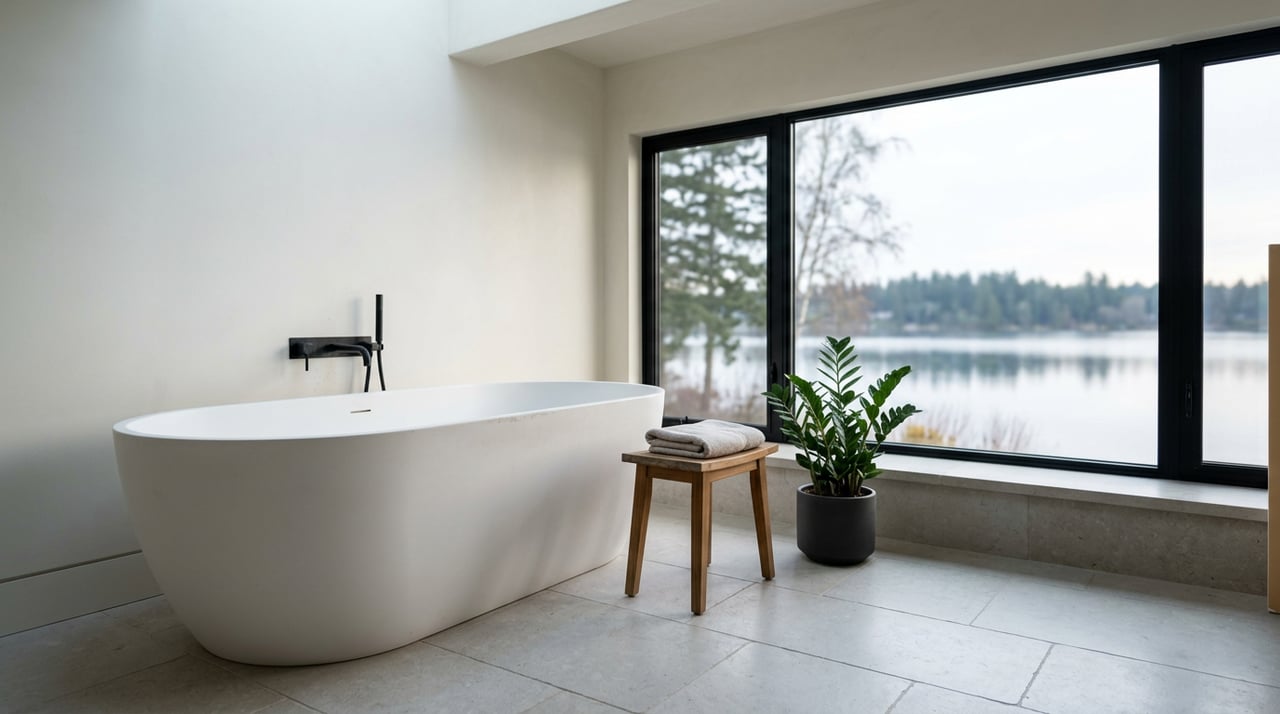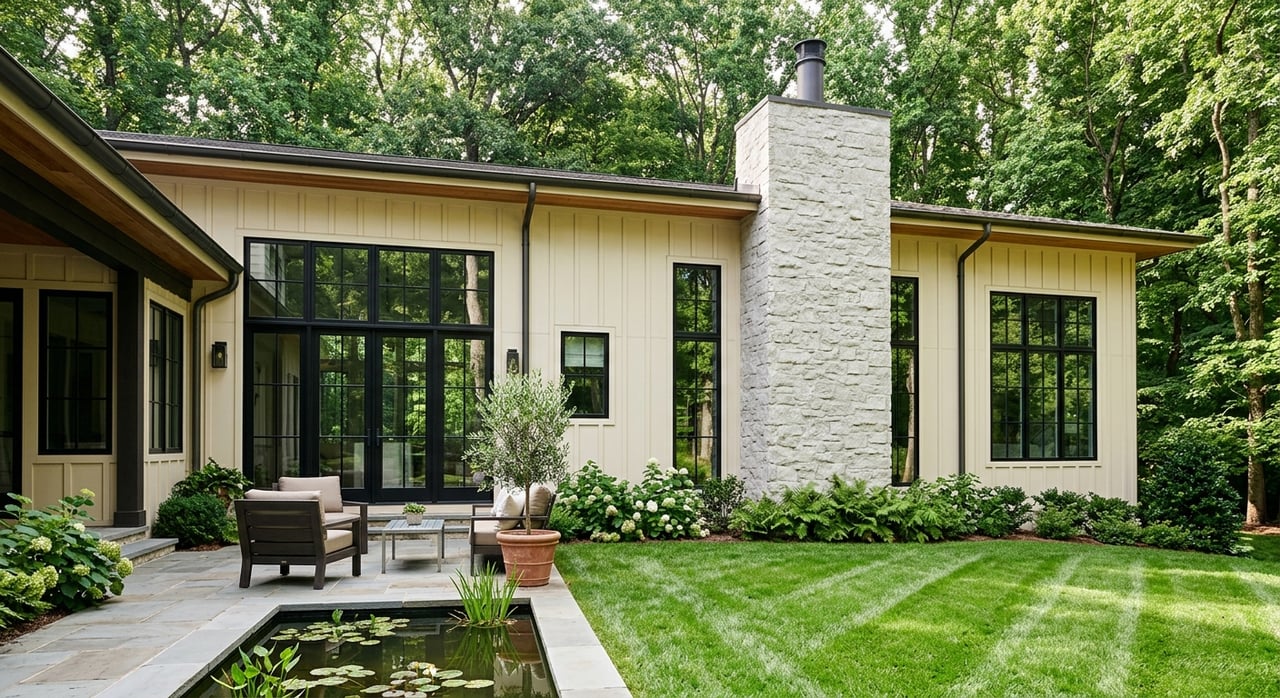
If you are thinking about Liberty Lake, you are probably not just choosing a house. You are choosing a lifestyle. In this part of the Spokane area, buyers often compare golf access, lake proximity, and newer planned neighborhoods just as much as they compare square footage or finishes. This guide will help you understand how those three home types differ, what tradeoffs come with each one, and how to narrow in on the right fit for your goals. Let’s dive in.
Why Liberty Lake Stands Out
Liberty Lake is a compact market on Spokane’s eastern edge with strong lifestyle appeal. The city describes itself as about 20 minutes from downtown Spokane, and it offers more than 25 miles of multi-use trails, three golf courses, and public access to the Spokane River.
That matters because home choice here often connects directly to how you want to spend your time. Some buyers want a polished golf setting, some want the lake lifestyle, and some want a newer home with a more predictable maintenance profile.
The broader housing picture also helps frame expectations. The city reports a 67.0% owner-occupied housing rate, a median owner-occupied home value of $577,500, median monthly owner costs with a mortgage of $2,415, and median gross rent of $1,895.
Golf Homes in Liberty Lake
Golf options shape the market
Liberty Lake’s golf inventory is anchored by three public courses. MeadowWood is an 18-hole par-72 championship course, Trailhead is a 9-hole city course, and Liberty Lake Golf Course is an 18-hole remodeled championship course.
Those courses create several golf-adjacent pockets rather than one single golf neighborhood. In practical terms, that means your experience can vary depending on whether you want direct course frontage, nearby access, or simply a neighborhood with a golf-centered feel.
What buyers usually like
Golf-view and golf-adjacent homes often attract buyers who want a more curated streetscape and easy recreational access. In some cases, they can also offer view appeal that influences pricing and buyer demand.
For many people, the draw is simple. You get a setting that feels planned, polished, and tied to an outdoor activity you can actually use on a regular basis.
What to watch for
The best golf lots often come with the most direct exposure to course activity. That can mean more visibility, more movement nearby, and a different level of privacy than you would get on an interior lot.
Some golf-oriented communities may also come with a more structured ownership experience. For example, Meadowwood Estates III is a gated community with 62 single-family homes and 14 townhouses next to MeadowWood Golf Course and Rocky Hill Park.
Who golf homes fit best
Golf-adjacent homes can be a strong fit if you want:
- Recreation close to home
- A polished neighborhood setting
- Potential view appeal
- A lifestyle-first location choice
They may be less ideal if your top priority is maximum privacy, the loosest possible neighborhood structure, or avoiding premium pricing tied to location.
Waterfront and Near-Water Homes
True waterfront is limited
Waterfront homes in Liberty Lake are scarce for a reason. Liberty Lake itself is a 708-acre lake, but it is heavily private, with only two public recreation access points: a county park beach and a Washington Department of Fish and Wildlife boat launch.
That limited shoreline access makes true waterfront ownership more exclusive than many buyers first expect. If your goal is direct water frontage, you are competing for a smaller slice of inventory.
Near-water can still deliver the lifestyle
Not every lake-focused buyer needs a shoreline parcel. Liberty Lake Regional Park is especially important because it is the only public swim beach on the lake, which gives near-water buyers a meaningful way to enjoy the area without owning the shoreline itself.
That is why near-water homes can be a smart middle ground. You may still capture the lake lifestyle while avoiding some of the direct responsibilities that come with waterfront ownership.
Waterfront ownership comes with more rules
In Washington, the Shoreline Management Act applies to lakes 20 acres or larger and requires local shoreline master programs. Around Liberty Lake, shoreline setbacks range from 100 to 200 feet depending on designation.
That matters if you are thinking about updates or exterior changes. New building, dock repair or replacement, and native vegetation removal can fall under shoreline development rules and permitting.
The local district also notes restrictions involving clearing, fill, artificial beaches, and motorized vehicles in shoreline buffers. On top of that, the lake is considered susceptible to degradation from geology, stormwater runoff, and sensitive marsh areas.
Who waterfront fits best
Waterfront or near-water homes may fit you if you want:
- Scarce inventory with strong lifestyle appeal
- Lake access as a major part of daily life
- A unique setting that stands apart from typical subdivisions
- Flexibility to choose between direct shoreline and nearby access
They may be less ideal if you want the simplest maintenance path or if you expect total freedom to change the shoreline or exterior environment.
Newer Homes and Planned Areas
Why newer pockets feel different
Some of Liberty Lake’s newest housing is shaped by Specific Area Plans, or SAPs. The city uses these plans to guide development in more detail than the broader comprehensive plan or zoning map.
Official SAP areas include StoneHill, Hawkstone, Lakemore, and the River District. That planned approach helps explain why newer neighborhoods here often feel intentional in layout, open space, and housing mix.
Newer does not always mean one home type
One of the biggest things buyers should understand is that newer Liberty Lake inventory is not always a classic single-subdivision product. In the River District, regulations allow single-family homes, attached townhomes, duplexes, multi-family housing, and zero-lot-line options, along with mixed-use components.
So if you are shopping for a newer home, it helps to look beyond the build date. Two nearby properties may both be newer but offer very different ownership experiences, lot setups, and neighborhood patterns.
What buyers usually like
For many move-up buyers and relocators, newer subdivisions offer clear advantages. You often get fresher systems, modern floor plans, and less immediate repair work.
That can be especially appealing if you want a more predictable first few years of ownership. A newer home may reduce the number of surprise projects that sometimes come with older properties.
What to watch for
The common tradeoffs are tighter lot spacing, more HOA or plan-based oversight, and less mature landscaping. In a planned area, rules and design standards can matter more than they would in an older conventional subdivision.
That does not make newer areas better or worse. It just means your decision should include the setting, the lot, and the rules, not only the finishes inside the house.
How Liberty Lake Grew
Liberty Lake’s residential pattern helps explain why so many neighborhoods feel organized and planned. The city’s history includes Liberty Lake Heights in the late 1970s, then Homestead and Meadowwood by 1987, and many neighborhoods were already planned as PUD-style communities by the time the city incorporated in 2001.
Today, the city is also working on its 2026-2046 Comprehensive Plan update under the Washington Growth Management Act. That signals continued planning for future land use, housing, transportation, and economic development rather than a market that is fully built out.
For you as a buyer, that means context matters. A home in Liberty Lake is not just about the house today. It is also about the kind of area it sits in and how that area is intended to evolve.
A Simple Way to Choose
Start with your main constraint
A practical Liberty Lake framework is to decide which constraint matters most to you. In many cases, the choice comes down to view and recreation, water access and regulation, or maintenance and flexibility.
That simple filter can make your home search much clearer. Instead of comparing every listing the same way, you can compare them based on the lifestyle and ownership experience you actually want.
Use this quick comparison
| Home Type | Main Appeal | Common Tradeoff |
|---|---|---|
| Golf-adjacent | Recreation, polished setting, possible views | More exposure to course activity, structured communities in some areas |
| Waterfront or near-water | Scarcity, lake lifestyle, access appeal | More maintenance sensitivity, permitting and shoreline rules |
| Newer subdivisions | Modern layouts, fresher systems, lower immediate repair needs | Tighter lots, more oversight, less mature landscaping |
What to Check Before You Write an Offer
Before you move forward on a Liberty Lake home, compare the lot as carefully as the house. That step is especially important here because the same city can offer very different ownership experiences.
Ask questions like:
- Is the home in a standard subdivision, an HOA, or a Specific Area Plan area?
- Is the property within shoreline jurisdiction?
- How much exterior maintenance comes with the lot?
- Are you paying for direct water or golf proximity, or mainly for a newer, lower-maintenance home?
- Does the neighborhood layout match how much privacy or structure you want?
These details can shape your monthly costs, your maintenance workload, and how happy you are with the property long after move-in day.
Final Thoughts on Liberty Lake Homes
Liberty Lake gives you several distinct ways to buy into the market. Golf homes center on recreation and a polished setting, waterfront and near-water homes center on scarcity and lake access, and newer subdivisions often center on modern design and lower near-term maintenance.
The right choice usually is not about which category is best on paper. It is about which one fits your daily life, comfort with maintenance, and long-term goals.
If you want help sorting through Liberty Lake neighborhoods, comparing lots, or narrowing down which pocket fits you best, Alejandro Ventura offers clear, responsive guidance to help you move forward with confidence.
FAQs
What makes golf homes in Liberty Lake different from other neighborhoods?
- Golf homes in Liberty Lake are often tied to the area’s three public courses and can offer recreation access, a more polished streetscape, and possible view appeal, but some lots also have more exposure to course activity or structured community rules.
What should buyers know about Liberty Lake waterfront homes?
- Waterfront homes are limited because much of the shoreline is private, and ownership can involve more maintenance and permitting considerations due to shoreline regulations and setback requirements.
Are near-water homes in Liberty Lake a good alternative to waterfront?
- Near-water homes can be a practical option if you want the lake lifestyle without direct shoreline responsibility, especially because Liberty Lake Regional Park provides the only public swim beach on the lake.
What counts as a newer home area in Liberty Lake?
- Newer home areas often include places shaped by the city’s Specific Area Plans, such as StoneHill, Hawkstone, Lakemore, and the River District, where development is more intentionally planned.
What should buyers compare when choosing between golf, waterfront, and newer homes in Liberty Lake?
- You should compare not only the home itself but also the lot, maintenance demands, neighborhood structure, shoreline or planning rules, and whether the price reflects direct access, view appeal, or simply newer construction.